
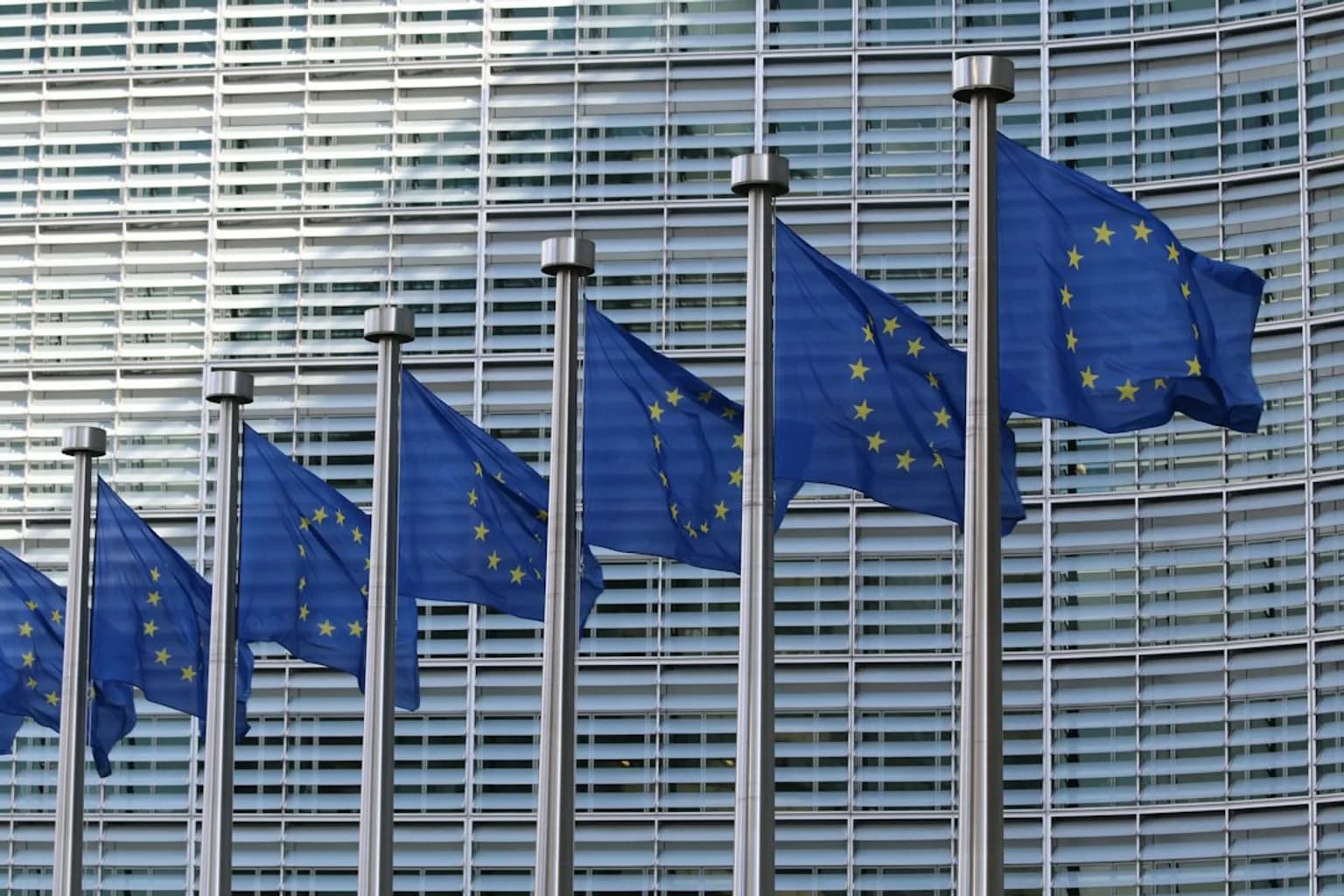
German Chancellor Friedrich Merz arrived at the European Union summit in Brussels on Thursday with a blunt assessment of the task ahead. “We are in very, very difficult negotiations regarding the future finances of the European Union,” he said.
The two-day meeting, held on 16 October 2026, brought EU leaders together to discuss the bloc’s next long-term budget, continued support for Ukraine and measures to strengthen Europe’s economic competitiveness. Rising energy prices and geopolitical uncertainty formed the backdrop.
Merz said the Council needed unanimity and remained far from it, even as he aimed for an agreement by the end of the year. The resistance has cast serious doubt on whether the central spending package can be settled by then.
The negotiations began with European affairs ministers meeting in Brussels on Tuesday, when major differences over the next seven-year budget remained unresolved. The Irish government, which holds the EU’s rotating presidency, then proposed a budget of 1.62 trillion euros, described as a cut of 141 billion euros from the European Commission’s opening offer of 1.985 trillion euros for 2028–2034.
Advertisement
That proposal met strong opposition from EU leaders. Germany, Austria, the Netherlands, Denmark, Sweden and Finland, known as the Frugals, say the budget’s scope must be drastically reduced if new funds are to be added.
Swedish Prime Minister Ulf Kristersson called the proposal “far too big, far too expensive”. He said it would lift Sweden’s net contribution by almost 60%. Danish Prime Minister Mette Frederiksen said the talks would “probably be as difficult as it was last time or even more difficult”.
On the other side are 17 member states known as the Friends of Cohesion. They want to shield farm subsidies and funding for poorer regions, which account for about two thirds of the entire budget.
The gap reflects the competing priorities built into EU spending. The current long-term budget, covering 2021 until 2027, has a scope of €1.2 trillion. It funds economically disadvantaged regions, farmers, student exchange programmes and disaster relief.
Changing economic and geopolitical priorities led the Commission to seek additional money for competitiveness and defence capabilities. Commission President Ursula von der Leyen has repeatedly argued for an ambitious budget, supported by new EU taxes and spending that matches Europe’s ambitions in strategic sectors including AI and defence.
A recent compromise proposal put the budget at €1.826 trillion. Thomas Byrne, the Irish Minister for European Affairs, told journalists: “There is a general agreement to reach a deal by the end of the year.”
António Costa, the European Council president, had also called for a compromise by year-end. “We need to deliver by the end of this year,” he said.
Costa has been tasked with producing a new compromise before leaders meet again in Brussels on 26 November. An EU official said he regarded a December agreement as “essential”. Leaders are also likely to return to the budget in late November and at an end-of-year summit in mid-December, when they hope to reach a deal.
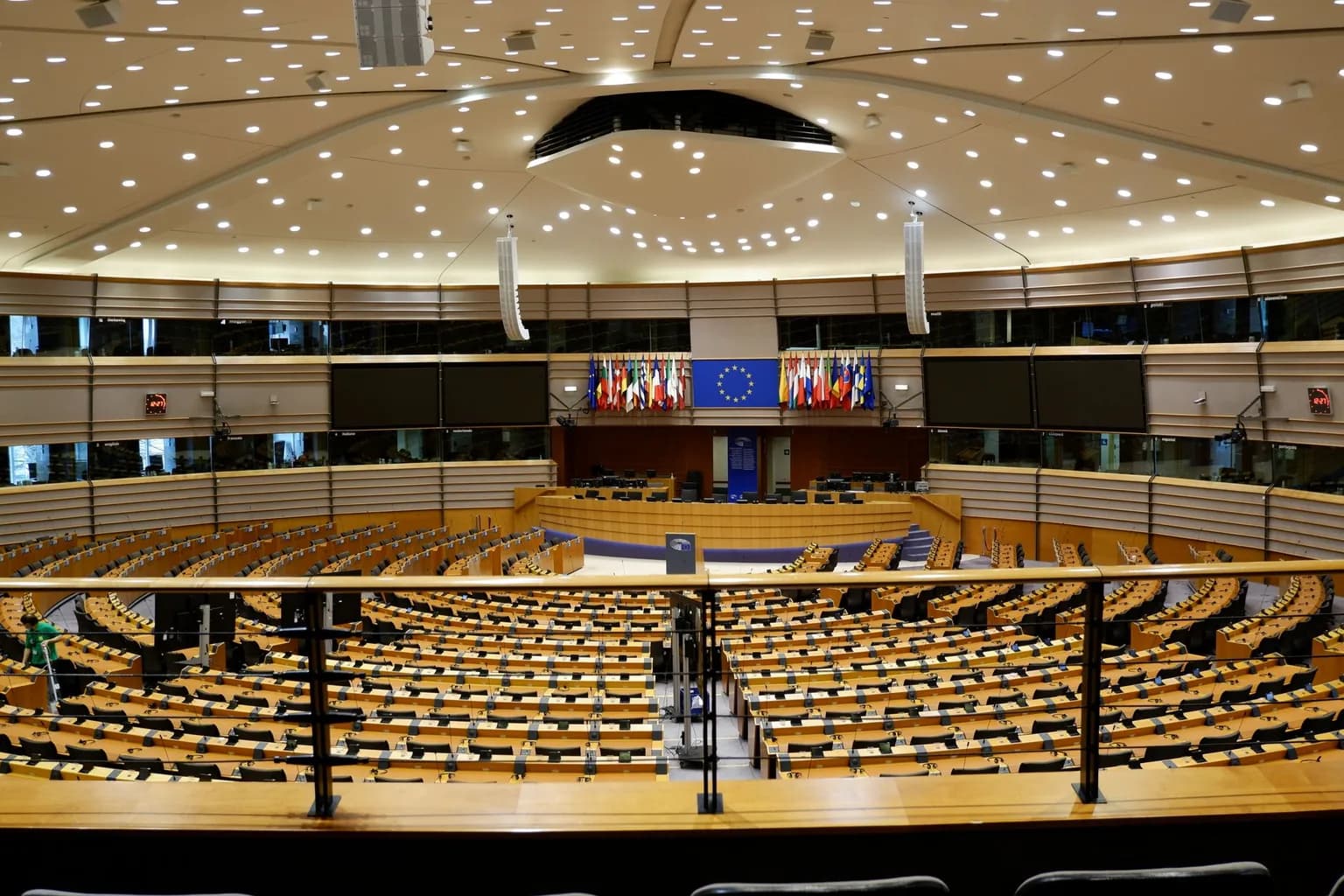
All 27 member states and the European Parliament must endorse the budget. Missing the end of December target would leave countries another year, though legislation and spending programmes need time to be approved if money is to flow by January 2028.
Advertisement

Comments (0)