
Survivors of convicted sex offender Jeffrey Epstein arrived at Senator John Cornyn’s office in Washington, DC, on 29 July 2026 carrying documents titled “The Partially Redacted Epstein Files” as they sought accountability.
On 15 October 2026, lawmakers gathered on Capitol Hill as Senator Elizabeth Warren and Representative Robert Garcia introduced the bipartisan Epstein Wall Street Records Act.
The proposal would require federal financial regulators to release records relating to Epstein and investigate banks and executives tied to him. The Federal Reserve, the Federal Deposit Insurance Corporation, the Office of the Comptroller of the Currency and the Securities and Exchange Commission would have to provide supervisory records concerning Epstein and his associates to Congress and the public within 120 days.
The agencies would also investigate Epstein-connected firms and individuals for possible breaches of banking, securities and illicit-finance laws. Executives found to have helped facilitate Epstein’s financial activities could face industry bars and civil penalties, while potential criminal violations could be referred to the Department of Justice.
Advertisement
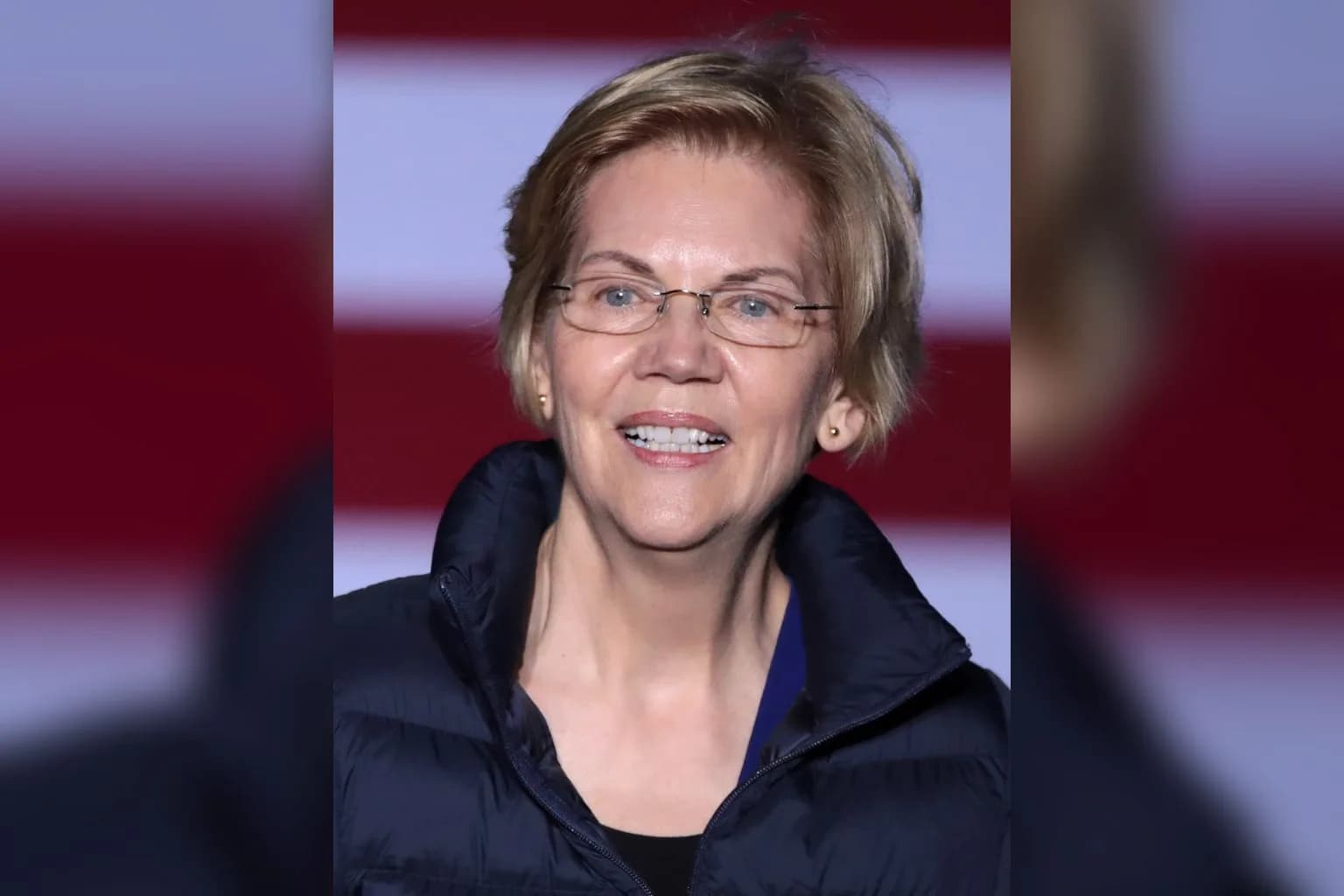
Warren, the ranking member of the Senate Banking Committee, and Garcia, the ranking member of the House Oversight Committee, have framed the measure as a response to regulators’ failure to act. “I have spent the last year calling on Donald Trump's financial regulators to launch investigations into the big banks and executives who may have enabled Jeffrey Epstein's horrific crimes. Since they have failed to act, Congress must,” Warren said.
Garcia said the inquiry should establish what financial institutions and their executives knew. “Jeffrey Epstein used his immense wealth to abuse women and girls for decades. Meanwhile, banks and financial institutions enriched him and themselves by servicing his accounts and helping him move money around. We need to know what financial institutions and their executives knew about Epstein, whether they complied with relevant law, and what regulatory agencies learned.”
Republican Representative Thomas Massie joined the measure as a lead lawmaker. The Democratic lead group includes Representatives Ro Khanna and Raja Krishnamoorthi, and Senators Richard Blumenthal and Ron Wyden, while Senator Ben Ray Luján is among the additional Democratic co-sponsors.
Wyden released a Senate Finance Committee investigation in August 2026 that found JPMorgan Chase, Deutsche Bank and Bank of America had violated federal anti-money laundering laws by failing to screen and report Epstein’s suspicious financial transactions in a timely manner. Warren had also released what she described as unsatisfactory responses to her inquiries from Barclays, Goldman Sachs and JPMorgan Chase. Goldman Sachs did not respond to the latest letter from Warren and Krishnamoorthi.
The dispute has also focused on Jes Staley, the former Barclays chief executive. Staley had previously worked at JPMorgan, where he developed a close relationship with Epstein. British regulators later barred him from the financial sector after determining that he had misrepresented that relationship, and he resigned from Barclays in 2021.
Barclays told Congress that Staley had concealed the true nature of his relationship with Epstein, and said significant information emerged only after his 2021 resignation. Warren accused the bank of “dodging responsibility” and said the episode showed why regulators should be required to investigate rather than rely on voluntary corporate accountability.
Advertisement


Comments (0)