
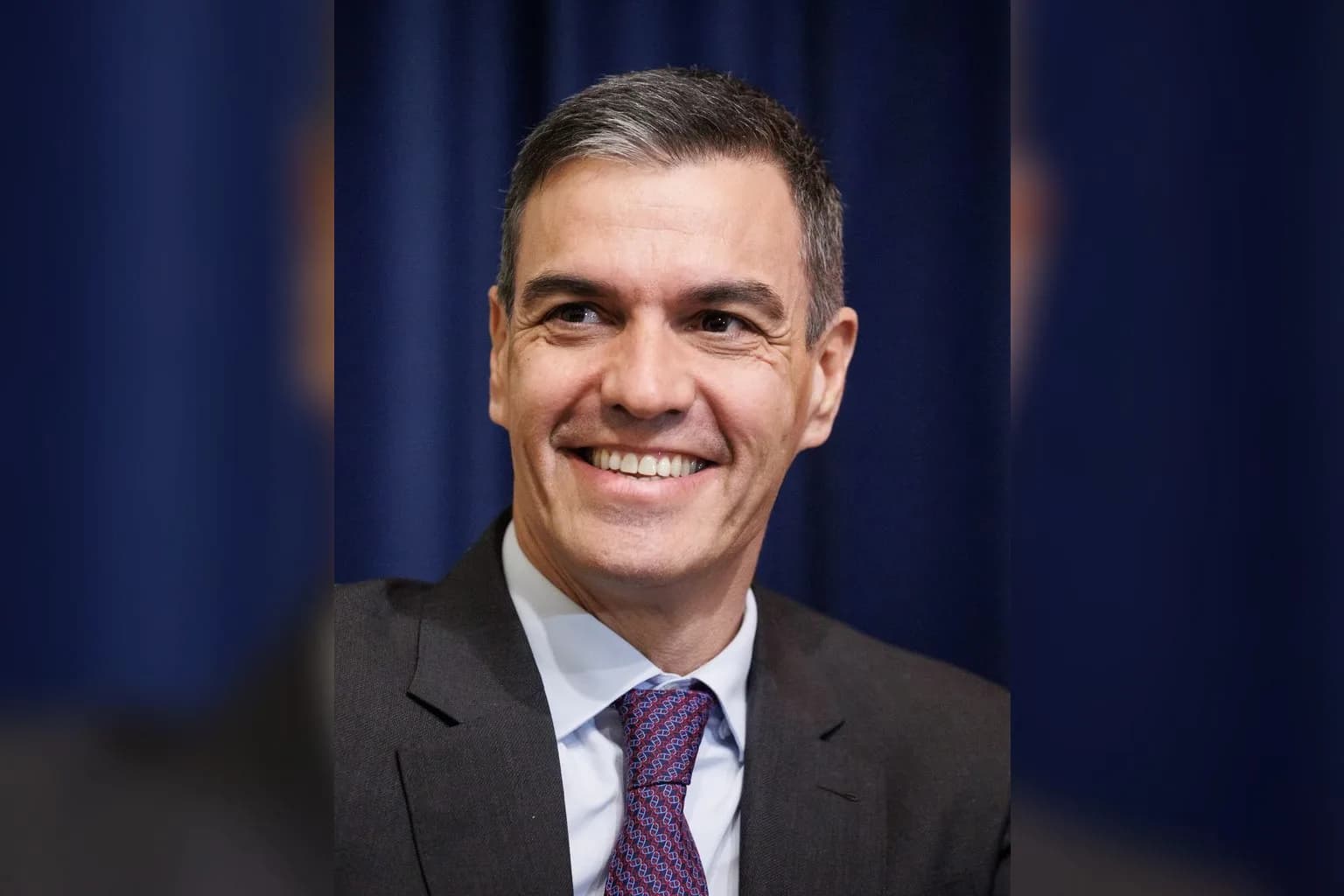
Pedro Sánchez stopped Denmark, Italy and Poland from putting tougher language on irregular migration into the European Union’s summit conclusions, using the unanimity requirement that allows any national leader to remove a sentence by refusing to sign it.
The defeat came after a strategic debate on migration dominated the European Council meeting in Brussels, which ran from 15–16 October 2026 and also covered the budget, Ukraine and energy. An immigration debate took place on 16 October.
Denmark, Italy and Poland had coordinated their proposal before the summit. They wanted the conclusions to call for tighter control of irregular arrivals and to avoid policies they said could encourage illegal migration, with Spain’s regularisation scheme at the centre of their case.
Mette Frederiksen, Denmark’s prime minister, asked the European Commission to examine Spain’s approach. “I have asked the European Commission to examine the case of a country that does practically the opposite of the rest. That is, someone arrives illegally in a country and, suddenly, they are allowed to stay legally,” she said. She said the policy “contradicts” European immigration policy.
Advertisement
Frederiksen also asked the Commission to examine what happens “when a country does almost the exact opposite of what the rest of us are doing”.
Giorgia Meloni, the Italian prime minister, and Frederiksen promoted an informal breakfast with Dutch Prime Minister Rob Jetten before the main discussions. Eighteen countries attended to discuss migration policy, while Spain was absent from the meeting.
The breakfast considered emergency measures, including the possible temporary suspension of asylum processing during crises.
The three governments described Spain’s regularisation policy as a “pull factor” for immigrants. Their proposed amendments would have explicitly linked irregular migration to crime rates and called it a threat to the unity of European societies.
Spain’s scheme applied only to people already in the country who had arrived before 1 January 2026, had remained for at least five months without interruption and filed applications between 16 April and 30 June. By 2 July, the Spanish government had counted 1,174,978 applications, with 609,737 cases processed or admitted to the provisional stage.
About 10 countries, including Hungary, supported the push for stronger wording.
Ursula von der Leyen, the European Commission president, backed Frederiksen’s call to investigate national migration policies and said the Commission would present an emergency response framework before the end of the year.
France’s President Emmanuel Macron called the debate excessively politicised.
When leaders concluded their two-day meeting on 16 October, the final text contained none of the language proposed by Meloni and Frederiksen. It named neither Spain nor any incentive for arrivals.
Instead, the conclusions recorded progress in reducing irregular crossings, which they said were at their lowest since 2021. They also welcomed the Commission’s intention to work with member states on an emergency framework covering all forms of instrumentalisation.
A scheduled joint press conference by European Council President António Costa and von der Leyen on Thursday evening was cancelled.
Sánchez’s refusal to sign exposed the limit of the coalition’s support. The absence of references to the Danish, Italian and Polish proposals reflected his ability to halt an initiative requiring the agreement of all Twenty-seven.
On 16 October, Sánchez and Meloni agreed to extend Italy’s checks on passengers from Spain by seven days while their interior ministers seek alternatives.
The failed wording followed a letter signed by 22 leaders in August that identified large regularisations as possible pull factors.
The negotiations laid bare continuing divisions over irregular migration, national policy coordination, border controls and the authority of individual member states.
Advertisement

Comments (0)