
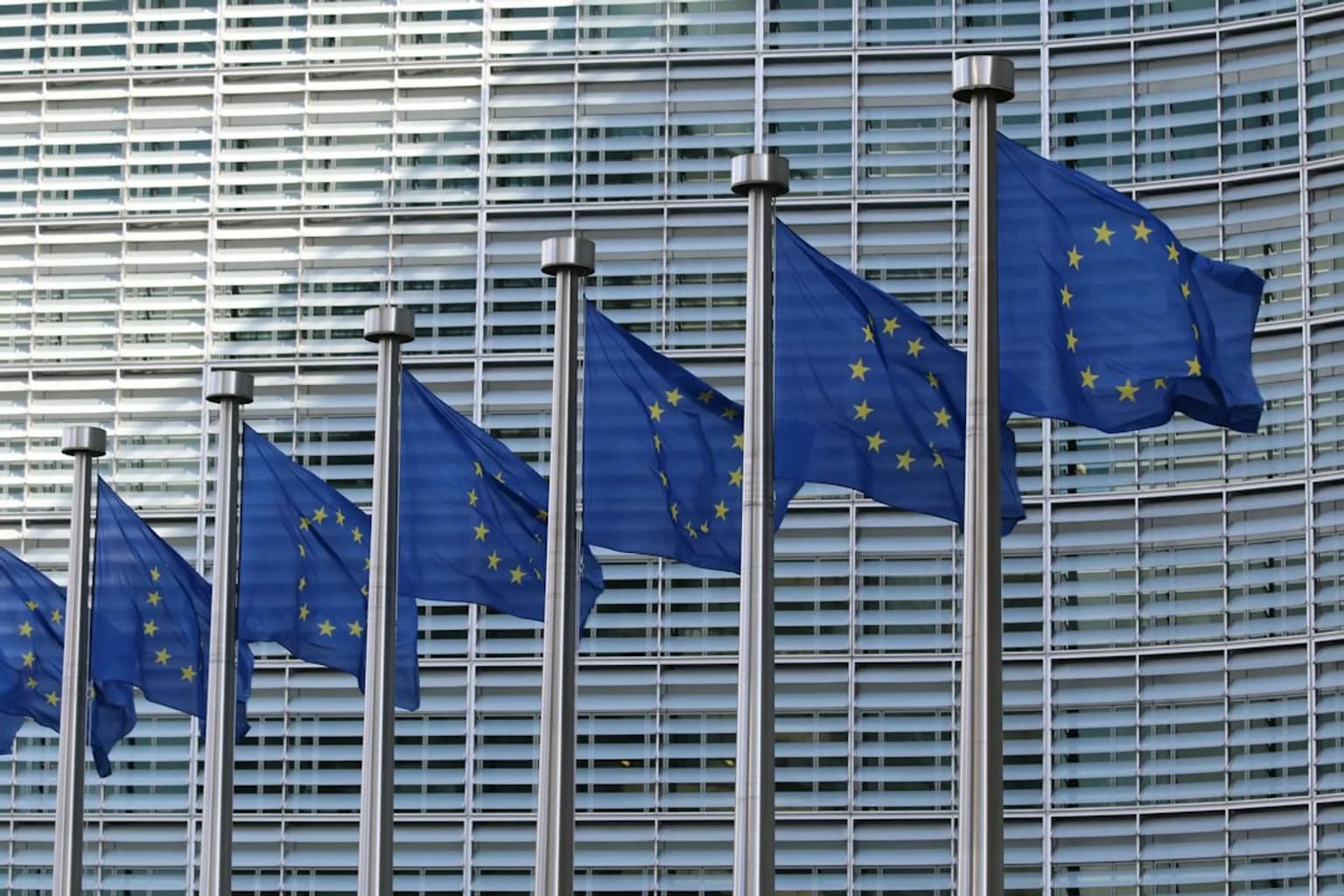
Friedrich Merz, Germany’s chancellor, and Italy’s prime minister, Giorgia Meloni, were reported to have clashed over the expansion of carbon pricing as European Union leaders met in Brussels on Thursday.
The 27 member states agreed that high energy and fuel prices required a coordinated European response. Yet they reached no agreement on new interventions or extra fiscal flexibility.
Poland, Hungary, Slovakia, the Czech Republic and Italy used the debate to press again for a delay to the emissions trading system’s extension to transport and heating in buildings, known as ETS2. They sought to postpone it until “at least 2030”, arguing that the measure would impose too great a burden on consumers.
Germany, France, Spain, Portugal, the Nordic countries and the Netherlands resisted, arguing for the present framework to remain in place.
Advertisement
The disagreement went to the central difficulty facing the bloc: how to contain energy costs while retaining the planned climate framework. The summit did not produce the sought-after delay to ETS2, which is due to extend carbon pricing to transport and heating from 2028.
Talks were suspended several times while leaders tried to revise key passages in the conclusions. The argument over the wording continued throughout the day and disrupted the agenda of António Costa, the European Council president.
Leaders instead asked the European Commission to “update its assessment of all the effects of ETS2, particularly as regards its design and safeguards”. Italy did not secure a delay, though the Commission’s reassessment leaves the matter open for further discussion.
Responsibility for developing any additional measures was handed to the Commission. Leaders also welcomed the Commission’s intention to extend its temporary state-aid framework for industries facing the highest energy costs.
For countries with isolated or small energy systems, consideration of further measures carries particular weight. Cyprus has structurally higher electricity costs than many other EU states, and its president, Nikos Christodoulides, said: “Our request is simple and clear: The need for further flexibility from the European Union for national measures, while at the same time allowing a further suspension of the Emissions Trading System.”
Robert Fico, Slovakia’s prime minister, pointed to the differences within the bloc, saying electricity costs were around €50 to €60 per megawatt-hour in some regions and exceeded €100 in others.
Bart De Wever, Belgium’s prime minister, said: “In Belgium, gas prices have risen by 70 per cent since the start of the year, so add ETS2 on top of that and they will rise much further”.
The extended energy discussion also delayed work on the EU’s next Multiannual Financial Framework. A planned Thursday evening press conference by Costa and Ursula von der Leyen, the European Commission president, was cancelled.
Advertisement

Comments (0)