
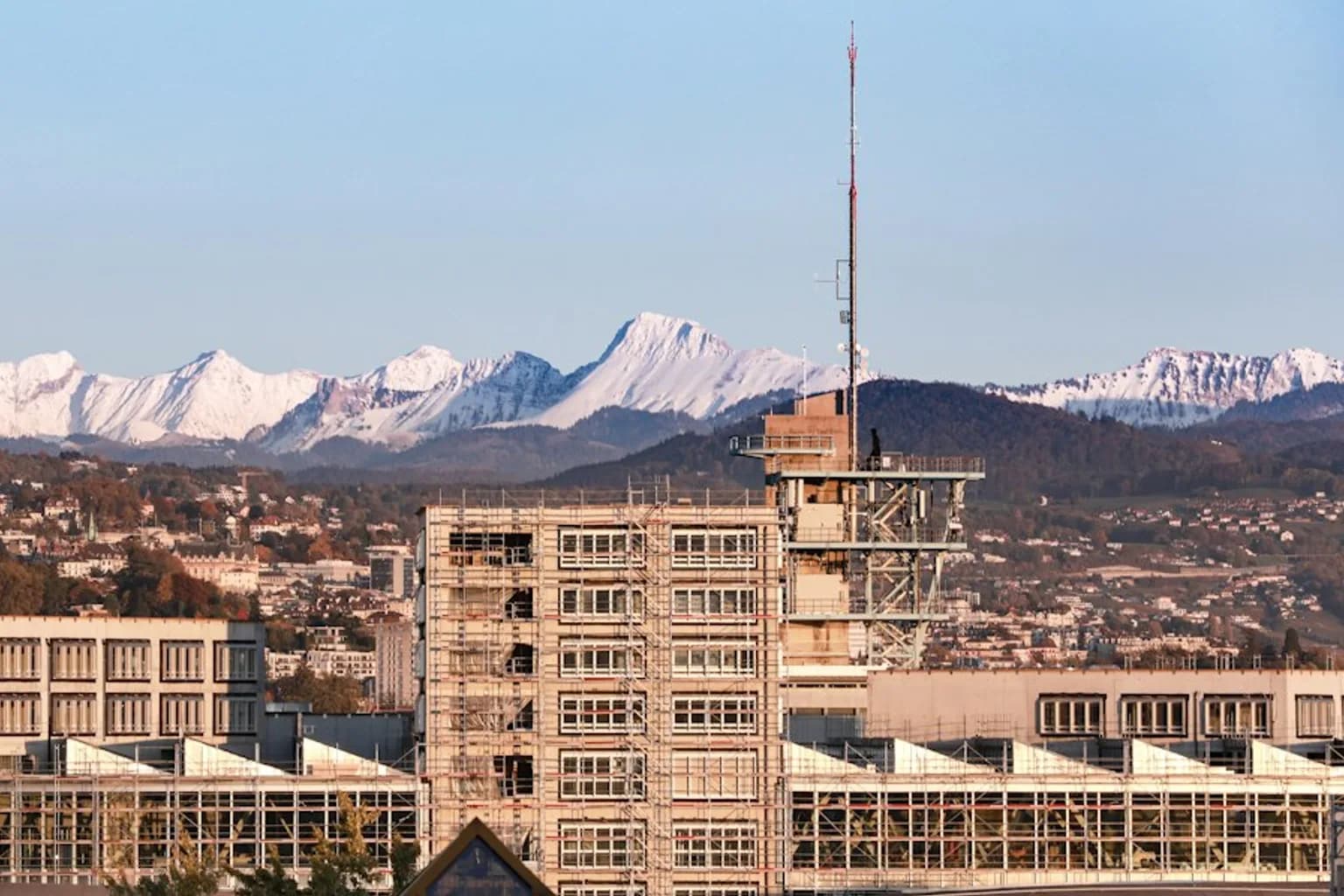
In Lausanne, Switzerland, where the International Olympic Committee is headquartered, President Kirsty Coventry is in her second year leading an organisation that has now dismantled two of its standing bodies on human rights and gender equality. On Friday, the IOC announced that it would close 12 permanent committees, including the Gender Equality, Diversity and Inclusion commission and its Advisory Committee on Human Rights.
The human rights committee was chaired by Phumzile Mlambo-Ngcuka, the former deputy president of South Africa. It had been established to advise the IOC on human rights matters.
The decision takes effect immediately. It leaves 19 committees operating and replaces the closed bodies with smaller ad hoc expert panels brought together when needed.
For the IOC, the argument is efficiency. The permanent committees generally had from 10 to as many as 30 members and met each year in Lausanne. The IOC said ad hoc working groups would provide 'targeted engagement on key strategic priorities and policy development.' It also expects the new structure to cut the costs associated with those gatherings.
Advertisement
The committees had been the IOC's formal route for advice on particular policy areas. Alongside human rights and gender equality, the closures include commissions dealing with sustainability, technology, athletes' entourage and digital engagement.
Questions over the place of the gender commission had already emerged in March. The IOC assigned a review of 'protection of the female category' in sports to an expert panel whose membership was kept confidential, rather than to the in-house Gender Equality, Diversity and Inclusion commission.
The closure of that commission and the human rights committee has raised concerns among some observers about the IOC's commitment to those issues. The IOC has set out its case for a leaner system built around task-specific panels. How human rights and gender matters will be handled within that system remains unspecified.
Advertisement


Comments (0)