
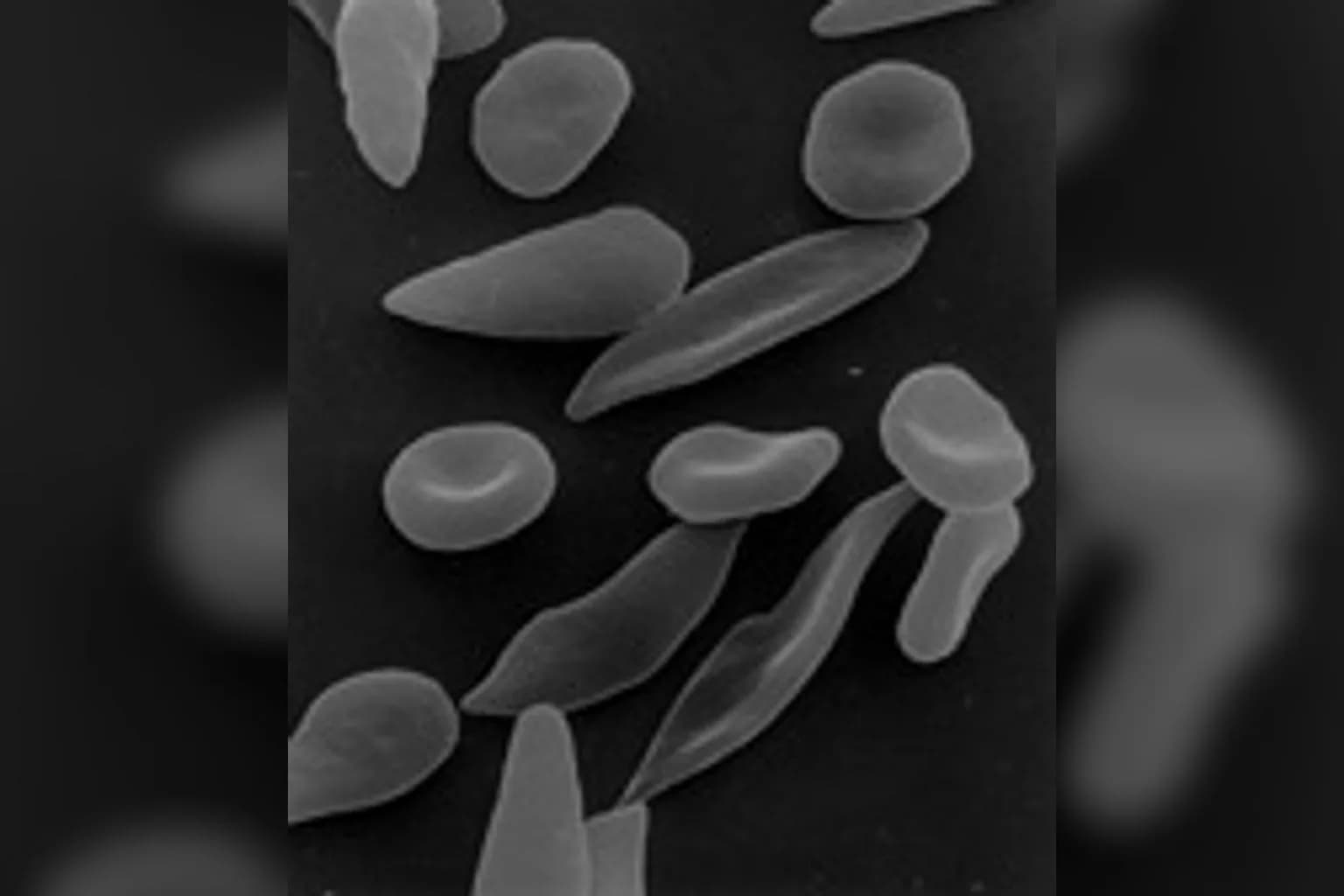
In transplant hospitals nationwide, patients receiving the new sickle cell treatments must undergo high-dose chemotherapy before a one-time infusion of their own edited stem cells. The process begins with collecting those cells weeks earlier.
On 8 December 2023, the US Food and Drug Administration approved Casgevy and Lyfgenia, the first two gene therapies for people with severe forms of sickle cell disease.
Casgevy uses a one-time intravenous infusion of a patient's own CRISPR-edited stem cells. Lyfgenia uses a one-time intravenous infusion of the patient's own gene-modified stem cells. Both treatments are given in a transplant hospital after high-dose chemotherapy.
The trial results were unusually strong. In Casgevy trials, 29 of 31 patients went at least 12 consecutive months without a severe pain crisis. In Lyfgenia trials, 28 of 32 patients had no vaso-occlusive events from months 6 to 18.
Advertisement
Those results cover the trial periods described. The long-term durability of the therapies beyond those periods remains unknown.
For much of the disease's history, there were few treatments intended to change its course. Dr Andrew Campbell, director of the comprehensive sickle cell disease programme at Children's National in Washington D.C., documented very little progress in disease-modifying treatments from 1910 until about 2015.
In 1998, the FDA approved hydroxyurea, the first medicine shown to modify the health effects of sickle cell disease. It has reduced the frequency of pain crises in patients by half.
Sickle cell disease affects around 100,000 people in the US, according to the Centers for Disease Control and Prevention. More than 90% of patients are non-Hispanic Black or African American, and the disease can shorten life expectancy by up to 20 years.
Dr Edward Donnell Ivy, chief medical officer of the Sickle Cell Disease Association of America, represents sickle cell patients' interests. Dr Alexis Thompson is an attending physician in the division of hematology at Children's Hospital of Philadelphia and a spokesperson for the American Society of Hematology.
The new therapies enter a care system where patients often face high treatment costs, complex procedures, limited provider availability and sharply differing access to specialised treatment centres depending on where they live.
Whether insurance will cover the therapies, and on what terms, remains unknown. So do the number of patients who can currently reach transplant centres equipped to provide them, the pricing and out-of-pocket costs, and whether further barriers will emerge in routine use.
The research record also shows a gap in investment. From 2008 through 2018, National Institutes of Health funding for sickle cell disease averaged $812 per patient. Over the same period, cystic fibrosis, which affects approximately 40,000 people in the US, received average funding of $2,807 per patient.
Casgevy and Lyfgenia now offer patients a treatment route that was unavailable before 2023. Reaching it still depends on navigating chemotherapy, stem-cell collection and access to specialised transplant care.
Advertisement

Comments (0)