
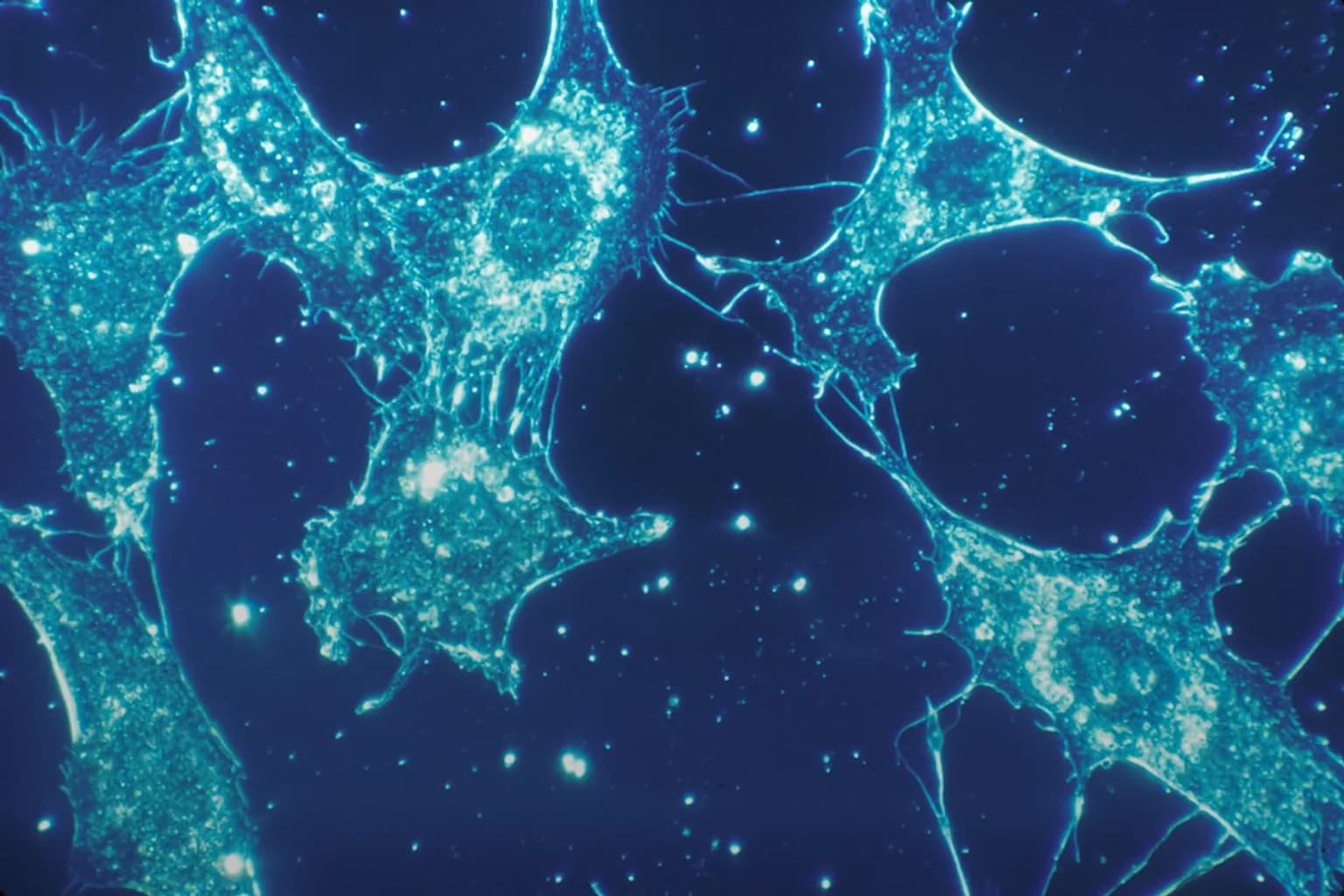
For five years, graduate students Megan Sweet and Mat Bloomfield studied cancer cells with abnormal chromosome numbers at Virginia Tech under the direction of the cell biologist Daniela Cimini. Their work has identified a particularly concerning group: unusually small cells carrying extra chromosomes.
“The smaller clones are more aggressive. They grow faster, are more invasive, and more tolerant of common anti-cancer and stress-inducing drugs,” Bloomfield said.
Most healthy human cells are diploid, with two complete chromosome sets, one inherited from each parent. Cimini's team altered diploid cancer cells in the laboratory so that they copied their chromosomes without completing cell division. The process produced tetraploid cells with four complete sets of chromosomes.
Tetraploid cells can arise as human tumours develop. Their presence has been linked with cancer progression and poorer outcomes for patients.
Advertisement
Some of the cells made by the Virginia Tech team were 25 to 30 percent smaller than expected. Those smaller tetraploid cells were better able to form aggressive tumours than their larger counterparts.
The pattern held in mouse experiments. Tumours containing smaller tetraploid cells often grew more quickly than tumours containing larger cells.
As the mouse tumours grew, tetraploid cells made up a smaller proportion of them. Yet the tumours continued to expand rapidly and reached substantial sizes.
The researchers also found that tetraploid cancer cells recruited stromal cells, noncancerous connective-tissue cells that provide structural support. Similar findings appeared in colorectal and breast cancer cells, suggesting that the link between tetraploid cell size and tumour aggressiveness may apply across different cancers.
The work was published in the Proceedings of the National Academy of Sciences. Additional findings appeared earlier this year in Cancer Research.
The findings sit within a wider picture of cancer cells changing their genetic material as tumours progress. Chromosomal instability, or CIN, is a hallmark of cancers associated with aggressive behaviour and poor prognosis. It can help cancer cells adapt, while also promoting differences between cells within the same tumour and resistance to therapy.
Researchers at Yale School of Medicine, led by Roel Verhaak, the Harvey and Kate Cushing Professor of Neurosurgery, examined more than 8,000 tumour samples. The samples included newly diagnosed untreated tumours and tumours previously treated with chemotherapy or radiation.
That team found higher concentrations of extrachromosomal DNA, known as ecDNA, in more aggressive and advanced cancers. It also found significantly higher amounts of ecDNA in tumours from previously treated patients.
ecDNA was more likely than DNA changes on regular chromosomes to remain in the same cancer over time. In the advanced cancers studied, it was also prone to rapid mutations, a feature researchers said could help explain why cancer can become more aggressive and harder to treat over time.
Verhaak said ecDNA could benefit targeted therapies for as many as a third of all cancer patients.
Advertisement




Comments (0)