
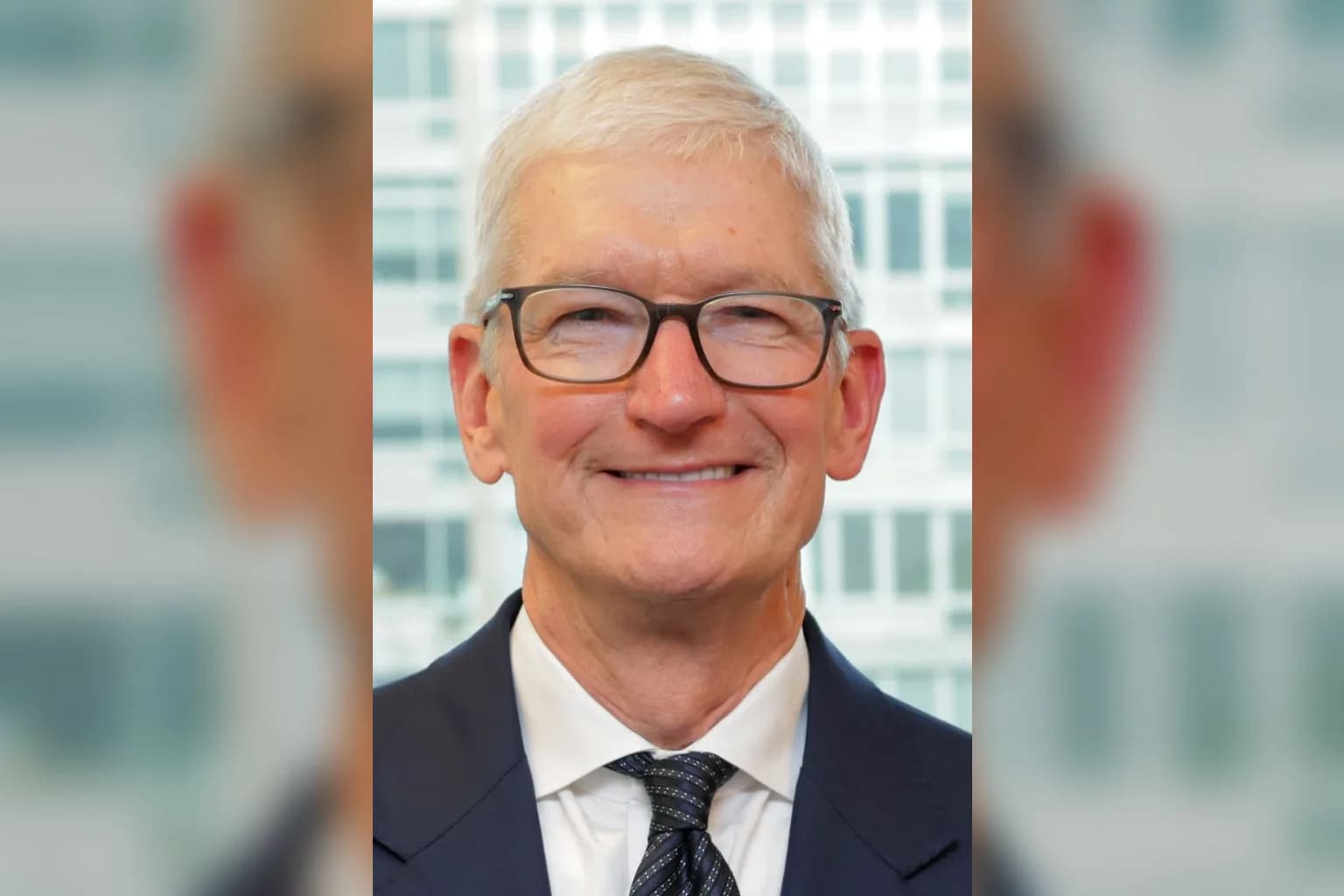
TSMC chairman and chief executive C.C. Wei has put a clear condition on the company’s possible role in Elon Musk’s proposed Terafab project in Texas: “The plant has got to be run by TSMC.”
Wei made the point during TSMC’s third-quarter earnings call on Thursday, when he said the company was discussing a potential role in Terafab and had sent teams to Texas to assess expansion opportunities beyond its US hub in Arizona.
The talks had already surfaced publicly. Musk, the chief executive of Tesla and SpaceX and the proposer of Terafab, wrote on X on 3 October: “Just discussions, but something may come of it”. On 7 October, he said Tesla and SpaceX intended to “build and run” the complex themselves, while leaving open the possibility of TSMC subleasing part of the site.
That leaves the two sides with competing views of who would control any manufacturing operation. Wei said different forms of cooperation remained possible, though TSMC would have to operate any fab, or semiconductor fabrication plant, in which it took part.
Advertisement
Terafab is designed to make high-performance chips for Musk’s artificial intelligence and robotics businesses. Musk had outlined a plan in March and April for factories in Austin that would produce chips for Tesla vehicles and Optimus humanoid robots, alongside artificial intelligence data centres for space involving Tesla, SpaceX and xAI.
TSMC’s position comes as demand for the chips it makes remains well ahead of available supply. “The AI market continues to be very strong,” Wei said during Thursday’s conference. “The demand, actually, is still far above our capability today to supply, and we’re working very hard to narrow the gap.”
High-performance computing, including artificial intelligence chips and data-centre processors, accounted for 68 per cent of TSMC’s revenue in the third quarter, compared with 57 per cent a year earlier. The company reported record quarterly net profit of NT$763.1 billion (US$23.9 billion), up 68.7 per cent from a year earlier. Its revenue was US$46.72 billion, up 50.9% year over year.
TSMC produces over 90% of the world’s most cutting-edge chips and supplies US technology giants including Nvidia and Apple. Wei joined TSMC as a vice president in 1998, was chief executive when TSMC announced its German joint venture in 2023, and added the chairmanship in June 2024.
The company is expanding in response to requests from most of its large US customers for more capacity. In July, it pledged an additional US$100 billion for its Arizona operations, taking its total planned investment there to US$265 billion.
North American customers accounted for 79 per cent of third-quarter revenue, up from 76 per cent a year earlier. Customers in mainland China contributed 5 per cent, down from 8 per cent.
Wei stressed that evaluating Texas does not amount to approval for a new factory. The discussions with Terafab had produced no firm conclusion by the time of the earnings call, and ownership, financing and production timing remained unresolved.
Advertisement


Comments (0)